The Role of Inspection in Effective Pest Control Services
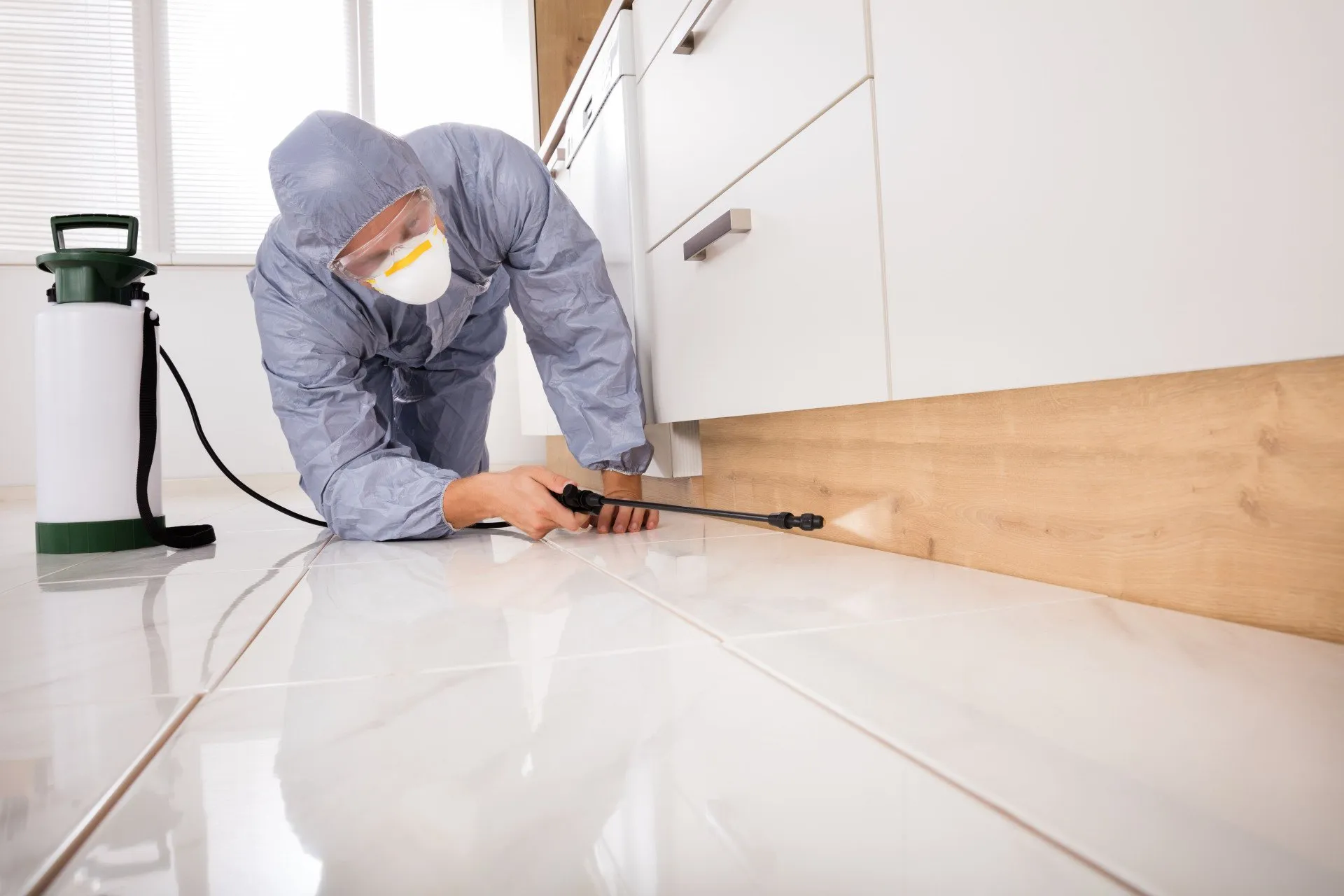

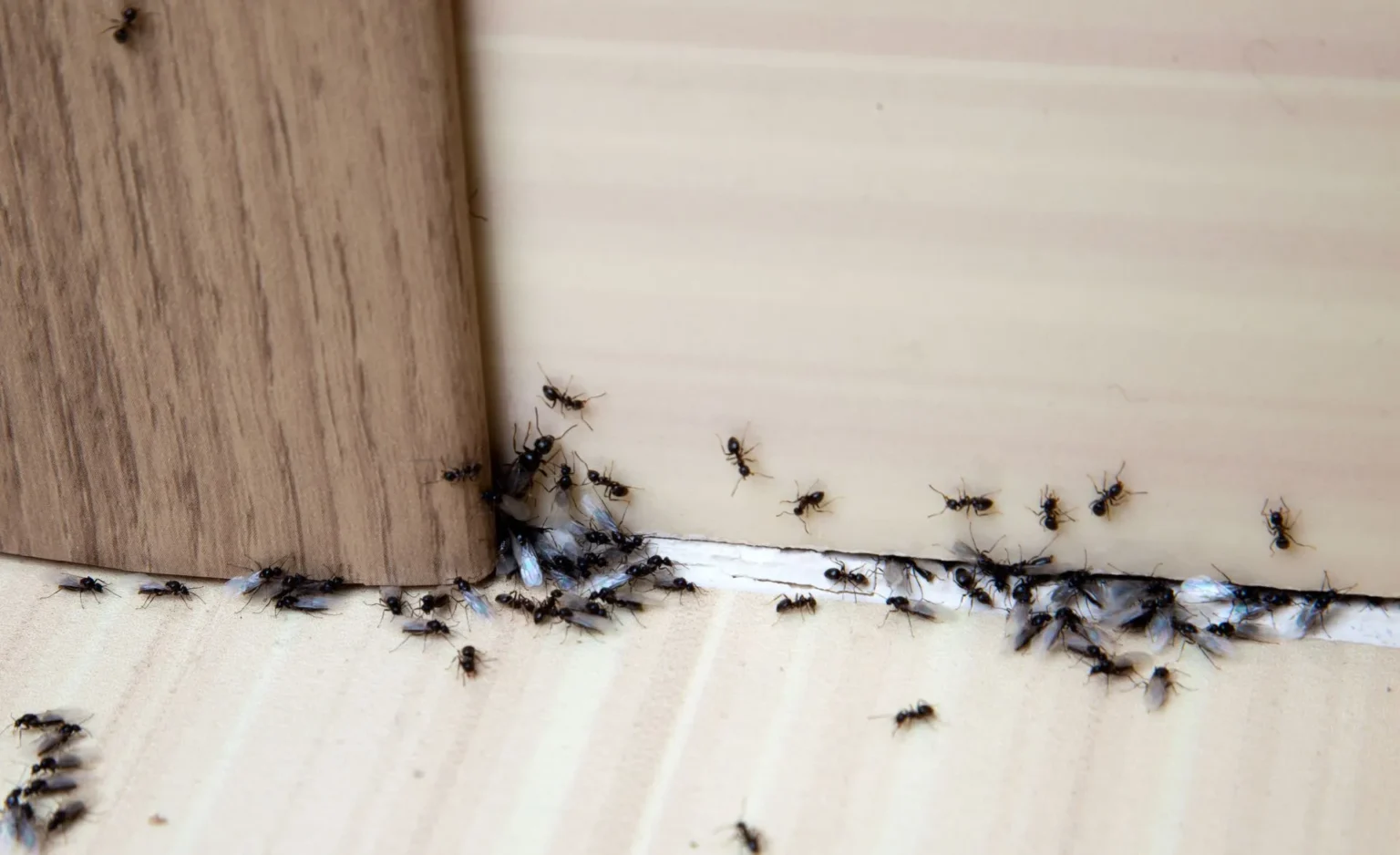
Anyone can spray a baseboard, set a trap, or scatter bait. That does not make the job effective. In real pest management, inspection is where the work actually begins. It is the part that separates a temporary knockdown from a lasting solution. When inspection is rushed or treated as a formality, everything that follows becomes guesswork. Products may be applied in the wrong place, entry points remain open, hidden infestations keep growing, and the customer ends up paying for repeat visits that never truly solve the problem.
That is why experienced Pest Control Services place so much weight on the inspection stage. It is not simply a quick walk-through to confirm that pests are present. It is a methodical process of reading a property, understanding pest behavior, measuring risk, and deciding which combination of tactics makes sense for that specific site. A good inspection saves time, reduces unnecessary pesticide use, and improves results in both homes and commercial buildings.
The longer you work around pest issues, the clearer this becomes. Two buildings on the same street can have completely different pest pressures. One may struggle with German cockroaches because of moisture and clutter around kitchen voids. Another may have occasional ants tied to landscaping and a slab crack near the utility room. Treating them the same way would be lazy, and often ineffective. Inspection is what reveals those differences.
Inspection is diagnosis, not paperwork
Many customers assume pest control starts with treatment. From the technician’s perspective, treatment starts with diagnosis. A proper inspection answers several critical questions. What pest is present, or likely present? How long has the issue been developing? Where are the pests nesting, feeding, or entering? What conditions inside or outside the property are supporting them? Is the activity isolated, or is it part of a larger pattern in the structure?
That level of understanding matters because pests are opportunists, but they are not random. Rodents follow edges, seek warmth, and exploit openings that often look insignificant to the untrained eye. Termites move in relation to moisture, wood contact, and structural vulnerabilities. Bed bugs travel with people and belongings, then settle in narrow harborages close to hosts. Stored product pests can begin with one infested item and spread quietly through a pantry or stockroom. Each of these situations calls for a different response, and no technician can make sound decisions without first inspecting thoroughly.
A rushed inspection tends to produce broad, generic treatment plans. Those plans can look active on paper, but they often miss the true source of the problem. That is when customers say they have had three or four services and still see pest activity. Usually, the issue is not that the product “didn’t work.” The issue is that the source was never identified.
What a thorough inspection actually looks like
A professional inspection is part observation, part pattern recognition, and part practical building science. The technician is not just scanning for insects or rodents in plain sight. They are looking for evidence and conditions. Evidence includes droppings, smear marks, cast skins, damaged packaging, mud tubes, frass, gnaw marks, egg cases, grease trails, and live activity. Conditions include leaks, poor sanitation, dense storage, clutter, unsealed penetrations, vegetation contact, drainage problems, and structural gaps.
In a residential setting, that might mean checking behind appliances, under sinks, around attic access points, along garage perimeters, inside utility closets, and around plumbing lines where they pass through walls. Outdoors, it often means examining the foundation line, weep holes, mulch depth, fence attachments, door sweeps, crawlspace vents, and tree limbs that bridge onto the roofline.
In commercial properties, inspection usually becomes more layered. A restaurant, for example, has grease management issues, frequent deliveries, floor drains, warm motor compartments, and potential harborage behind stainless equipment. A warehouse might involve dock doors, pallets, stored goods, roof voids, and exterior lighting that attracts insects at night. A school brings a different set of concerns, with food sources spread across cafeterias, staff break rooms, vending areas, and classrooms. Effective Pest Control Services adapt the inspection process to the use of the building, not just the square footage.
Identification changes everything
One of the most expensive mistakes in pest management is misidentification. It is surprisingly common, especially when property owners search online, compare pictures, and assume one insect is the same as another. The treatment difference between a pavement ant and a carpenter ant can be substantial. The same goes for wood-boring beetles versus termites, or harmless occasional invaders versus breeding indoor pests.
A technician who identifies the pest correctly can make better decisions about where to inspect next and how aggressive the response needs to be. If the droppings indicate mice rather than rats, the likely travel paths, access points, and trap selection may differ. If a customer thinks they have fleas but the bites are actually caused by bed bugs, treating carpets alone will waste time and money. If small flies in a commercial kitchen are drain flies rather than fruit flies, the source is probably organic buildup in a drain system, not exposed produce.
This is where inspection and experience overlap. A seasoned inspector notices subtle clues. They know that a few dead winged ants at a windowsill in spring can be normal, while piles of shed wings around an interior sill may suggest a swarm event that deserves closer attention. They understand that fresh rodent droppings have a different look than old droppings, and that one cockroach sighting in daylight can signal a heavier infestation than ten seen at night. Those distinctions are not cosmetic. They shape the entire service plan.
Inspection reduces unnecessary chemical use
One of the strongest arguments for inspection is that it makes pest control more precise. Precision matters for safety, cost control, and long-term performance. When technicians know where pests are active and why, they can focus on targeted applications rather than broad, indiscriminate treatments.
That means using crack and crevice treatments where harborages exist, placing bait where pests are actually feeding, sealing entry points that make exterior spraying less relevant, and recommending sanitation or exclusion measures that solve the root issue without relying solely on products. In many cases, the best outcome comes from doing less chemical work, not more, but doing it with better information.
Customers sometimes equate visible treatment with value. They want to see liquid applied everywhere because it feels thorough. Yet from a professional standpoint, overapplication is rarely a sign of quality. It can be a sign that the technician did not inspect well enough to work with precision. Modern Pest Control Services increasingly emphasize integrated methods, and that only works when inspection is taken seriously.
Why recurring pests usually point back to inspection failures
When pests keep returning after service, people tend to blame the product first. Sometimes that is fair, but more often the root problem lies upstream. Either the inspection missed a key condition, or the follow-up inspection failed to confirm whether the original assumptions were correct.
A classic example is rodent control in older homes. Traps may catch a few mice, and bait may reduce numbers for a time, but if the inspection never identified the gap around the AC line set or the missing screen at the crawlspace vent, the population will rebound. The treatment appears to fail, even though the real issue is that access was never cut off.
The same pattern shows up with cockroaches in multifamily housing. One unit may be treated effectively, but if the inspection did not account for shared walls, plumbing chases, neighboring sanitation issues, or common utility penetrations, the infestation can reinvade quickly. In that situation, effective service depends as much on inspection scope as on treatment choice.
Termite work offers another clear example. Spot treatment without a full inspection can miss mud tubes in concealed areas, moisture issues under bathrooms, or wood-to-soil contact at a rear deck. Termites do not care which side of the house was most convenient to inspect. If the technician cuts corners, the colony keeps exploiting what was overlooked.
The hidden conditions inspections uncover
The most valuable findings are often not pests themselves, but the conditions that support them. Many infestations begin long before anyone notices actual insect or rodent activity. A small plumbing leak under a sink may create enough moisture for cockroaches, silverfish, or even wood-destroying organisms to thrive. Heavy mulch against a foundation can hold moisture and conceal ant or termite movement. Cluttered storage in a garage gives rodents and spiders protected harborage. Poor product rotation in a storeroom allows pantry pests to build up quietly.
These conditions rarely announce themselves. You have to look for them. That is why good inspectors move deliberately and ask questions. They want to know when the activity started, where it is most often seen, whether it is tied to weather, and whether recent renovations, deliveries, landscaping changes, or plumbing work occurred before the issue appeared.
A surprising number of pest problems begin after something seemingly unrelated changed at the property. A new irrigation schedule can increase moisture near the slab. A replacement back door may leave a light gap at the threshold. A tenant may start feeding pets in a garage. A business may shift inventory storage and create inaccessible voids behind stacked goods. Inspection is how those details come to light.
What homeowners and managers often miss
Property owners are usually very good at reporting symptoms. They know where they saw ants, when they heard scratching, or which room has the biting issue. What they may not recognize is how pests are moving behind walls, through shared utility lines, under insulation, or along roof intersections.
That gap is understandable. Buildings hide a lot of information. A trained eye knows where to look for the clues that connect a symptom to a source. A few pellets in a pantry can indicate roof rat travel from the attic down a wall void. Light scratching near dawn may suggest a roofline entry rather than ground-level access. Tiny piles of sawdust-like material beneath baseboards may point toward carpenter ants or wood-boring insects, but the exact diagnosis depends on texture, https://edwinxnvb722.zenbloomer.com/posts/residential-pest-control-services-what-every-homeowner-should-know-2 location, moisture level, and the condition of nearby wood.
There is also the matter of timing. Some pests are easiest to detect under specific conditions. Moisture-loving insects may become more visible after rain. Rodent grease marks are easier to notice on lightly dusty surfaces. Bed bug evidence often becomes clearer when bedding is stripped and furniture seams are examined with proper lighting. Exterior inspections can reveal more in early morning or late afternoon when shadows expose structural gaps and warping around doors or trim.
Inspection as the foundation of integrated pest management
Integrated pest management works best when it stays grounded in field reality. The phrase gets used loosely, but at its core it means using inspection, identification, monitoring, exclusion, sanitation, habitat modification, and targeted treatment in a coordinated way. Inspection sits at the center of all of it.
Without inspection, there is no reliable basis for monitoring. There is no meaningful threshold for action. There is no way to know whether sanitation is contributing to the issue or whether exclusion efforts are likely to matter. There is no practical method for deciding if follow-up should happen in a week, two weeks, or a month.
In commercial environments, especially food handling, hospitality, healthcare, and property management, this becomes even more important. A documented inspection history helps reveal patterns over time. If drain fly pressure rises every summer in the same prep area, or if rodent activity increases around a loading dock after certain vendors deliver, inspection records help the service team and facility management respond intelligently. They stop reacting to isolated complaints and start managing trends.
Areas that deserve extra attention during inspection
Some parts of a property routinely produce clues that less experienced technicians overlook. These are not the only areas that matter, but they often separate a superficial inspection from a useful one.
- Plumbing penetrations, especially under sinks and behind fixtures, where moisture and access often combine
- Door thresholds, garage corners, and utility entries, where small exterior gaps lead to persistent reinfestation
- Attics, crawlspaces, and wall void indicators, which reveal travel routes that are invisible from living areas
- Storage zones with cardboard, clutter, or long undisturbed contents, where pests establish harborages quietly
- Exterior transitions such as mulch lines, foundation cracks, and vegetation contact, where activity often begins
Notice that none of these spots are glamorous. They are simply where pest pressure tends to leave evidence. Good inspectors build habits around these areas because experience teaches that hidden sources are often adjacent to ordinary building features.
The human side of inspection
Inspection is also communication. A technician may find the root cause of the problem, but if they cannot explain it clearly to the customer, the service still suffers. Most pest issues involve at least some level of customer participation. A homeowner may need to reduce clutter, repair a door sweep, store pet food differently, or fix a leak. A restaurant manager may need to improve drain cleaning, adjust waste handling, or create better access behind equipment. If the inspector explains these issues vaguely, the recommendations are less likely to be followed.
The best technicians translate findings into practical language. They do not overwhelm customers with jargon, and they do not oversimplify to the point of losing accuracy. They explain what was found, why it matters, what can be done immediately, and what may require a contractor or maintenance team. That clarity builds trust. It also makes the service plan more likely to succeed.
I have seen situations where a five-minute conversation after a strong inspection did more to solve the problem than the treatment itself. A family with chronic pantry pests kept replacing products and requesting service, but no one had noticed birdseed and bulk dry goods stored in a warm laundry room in paper packaging. Once that was identified and storage practices changed, the recurring issue dropped off sharply. The treatment helped, but the inspection and conversation fixed the pattern.
Follow-up inspections are just as important as the first one
Initial inspections get most of the attention, but follow-up inspections matter just as much. Pest control is not static. Conditions change, weather shifts, occupants alter their routines, and pests respond to treatment pressure. A follow-up visit should confirm whether activity declined, whether evidence is fresh or old, whether new areas are affected, and whether previous recommendations were completed.
This is especially important for pests with complex control timelines. Bed bugs, German cockroaches, and rodents often require multiple visits, not because the service is failing, but because the biology and hiding behavior of the pest demand re-evaluation. A technician who only reapplies product on repeat visits without reinspecting loses the chance to refine the strategy.
A useful follow-up inspection often focuses on a few practical questions:
- Is the original source still active, or has activity shifted to a new area?
- Were exclusion and sanitation recommendations completed, partially completed, or ignored?
- Does the evidence suggest a surviving population, a new introduction, or lingering signs from prior activity?
- Are monitoring tools, such as traps or stations, placed in the best locations based on current findings?
- Does the treatment plan need adjustment in method, timing, or scope?
These questions are what keep service dynamic and evidence-based rather than repetitive.
Inspection protects budgets and reputations
For homeowners, a proper inspection protects the budget. It reduces wasted treatments, avoids chasing the wrong pest, and helps prevent minor issues from becoming major ones. For commercial clients, the stakes are often higher. Pest problems can affect audits, customer reviews, tenant retention, inventory loss, and regulatory compliance. In those settings, a weak inspection does not just risk poor results. It can damage a business.
For Pest Control Services, inspection quality also shapes reputation. Customers can usually tell when a technician is paying attention. They notice when someone checks the likely trouble spots, asks relevant questions, and explains observations with confidence. They also notice when a visit feels rushed and generic. The difference is not subtle. One approach feels like a professional assessment. The other feels like a routine stop.
That distinction matters because pest control is an outcome-driven service. Customers do not buy chemicals. They buy relief, prevention, and confidence that the problem is understood. Inspection is the part of the service that makes those outcomes possible.
Where effective pest control really begins
The most successful pest programs are rarely the most aggressive. They are the most informed. Inspection provides that information. It reveals the pest, the pressure points, the building conditions, the human habits, and the structural gaps that allow the problem to continue. It turns a vague complaint into a workable plan.
When inspection is thorough, treatment becomes more precise, follow-up becomes more meaningful, and prevention becomes realistic. When inspection is weak, even a well-intentioned service can drift into repeated applications with disappointing results. That is why seasoned professionals treat inspection as the backbone of the job, not a box to check before getting to the “real work.”
In practice, the real work starts the moment the inspection begins.
Affordable Pest Solutions LLC
Phone number: +19732299547
FAQ About Pest Control Services
How much does pest control charge?
For a standard 1,500-square-foot home, professional pest control charges generally average $100 to $300 for an initial visit, with ongoing monthly services running $40 to $75 per visit and one-time emergency exterminations costing $100 to $600, depending heavily on the specific pest and the severity of the infestation.
What is the hardest pest to get rid of?
Bed bugs are widely considered the hardest household pest to get rid of, closely followed by German cockroaches and subterranean termites.
What is included in a pest control service?
A standard pest control service includes a property inspection, targeted treatments, and prevention advice. It typically covers common pests like ants, spiders, and cockroaches, using sprays, baits, or traps.